
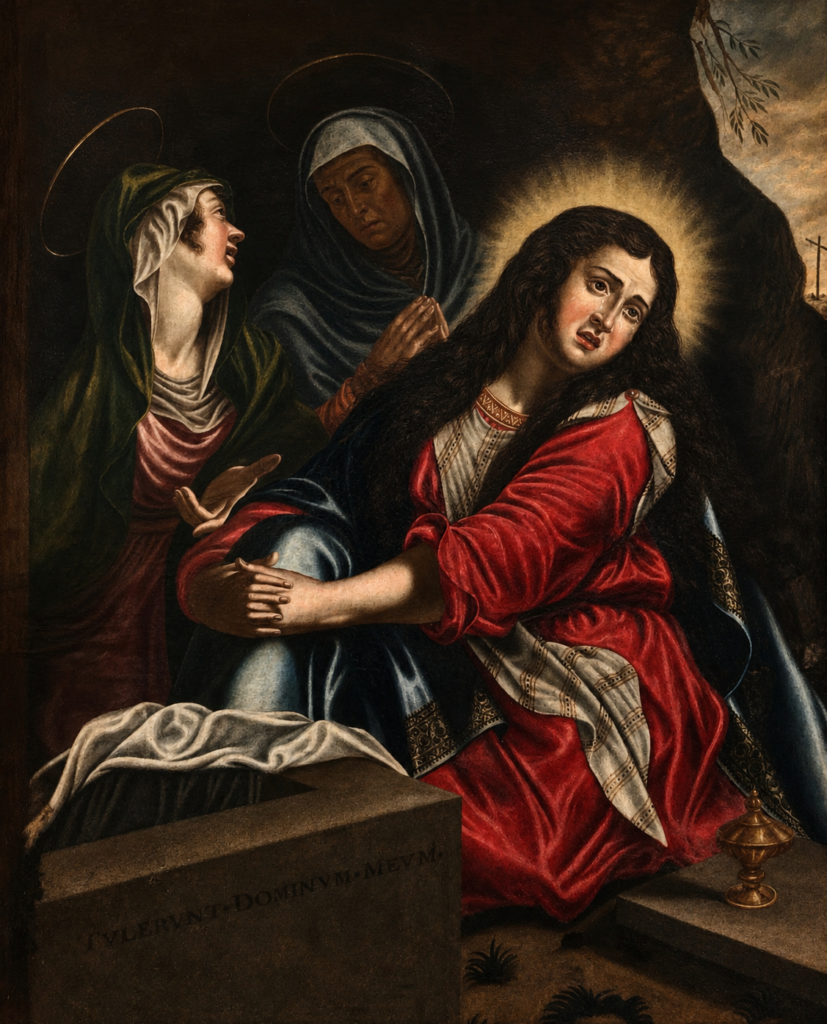
Feast Day of Saint Mary Magdalene, July 22nd
For centuries, the Western Church has celebrated Saint Mary Magdalene as the first witness of the Resurrection and the “Apostle to the Apostles.” Medieval preaching, devotional literature and sacred art gradually shaped an image of Mary Magdalene that combined several women mentioned in the Gospels into a single figure.
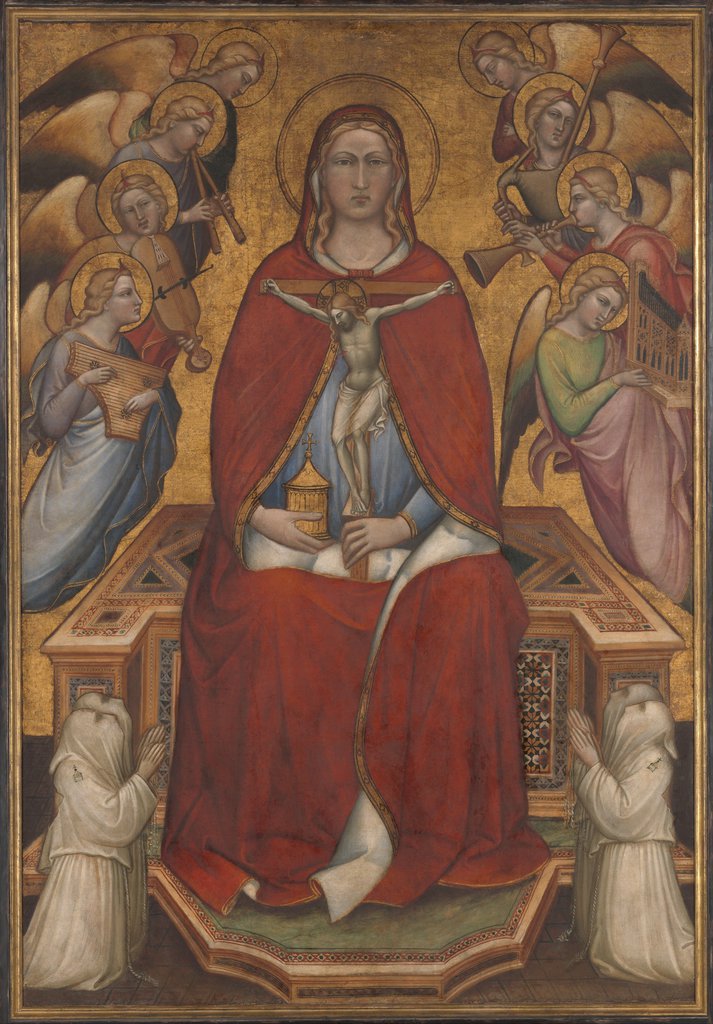
This interpretation profoundly influenced Christian spirituality and remains deeply rooted within popular devotion today.
Yet modern historical research has prompted a renewed examination of the earliest Christian sources. By returning directly to the Greek, Hebrew, Latin and Aramaic texts, historians have sought to distinguish between later ecclesiastical traditions and the evidence preserved within the earliest surviving documents. Among the most significant contributions to this discussion is the work of Doctor of History Thierry Murcia, whose extensive historical and philological research has reopened questions that many scholars considered long settled.
Doctor of History Thierry Murcia is internationally recognised for his research into early Christianity, ancient Judaism and the historical Jesus. His doctoral thesis, accepted following rigorous examination by specialists in history and ancient languages, was subsequently published as the peer-reviewed scholarly monograph Marie appelée la Magdaléenne – Entre Traditions et Histoire : Ier–VIIIe siècle by Presses Universitaires de Provence. Distinguished by his direct engagement with the earliest available sources in Greek, Hebrew, Latin and Aramaic, his work combines philology, textual criticism and historical methodology in order to re-examine one of Christianity’s most enduring traditions.
Doctor of History Thierry Murcia is also the author of the monumental 810-page study Jésus dans le Talmud et la littérature rabbinique ancienne, published by Brepols, which specialists have described as one of the most comprehensive modern examinations of rabbinic traditions concerning Jesus. His research extends across Second Temple Judaism, early Christianity, Jewish-Christian relations and the transmission of ancient historical traditions, establishing him as one of the leading contemporary specialists working directly with the primary sources.
Saint Mary Magdalene the Sinful Woman & Resurrection
According to Doctor of History Thierry Murcia, in his peer-reviewed work Marie appelée la Magdaléenne – Entre Traditions et Histoire : Ier–VIIIe siècle, Mary Magdalene was in fact Mary the mother of Jesus. Through an extensive philological and historical analysis of the earliest Christian texts, he argues that this identification reflects an ancient Christian tradition that predates the later Western conflation of Mary Magdalene with the anonymous sinful woman described in the Gospel of Luke. His study traces the gradual development of competing traditions from the first through the eighth centuries, carefully distinguishing the earliest evidence from later theological and devotional interpretations.
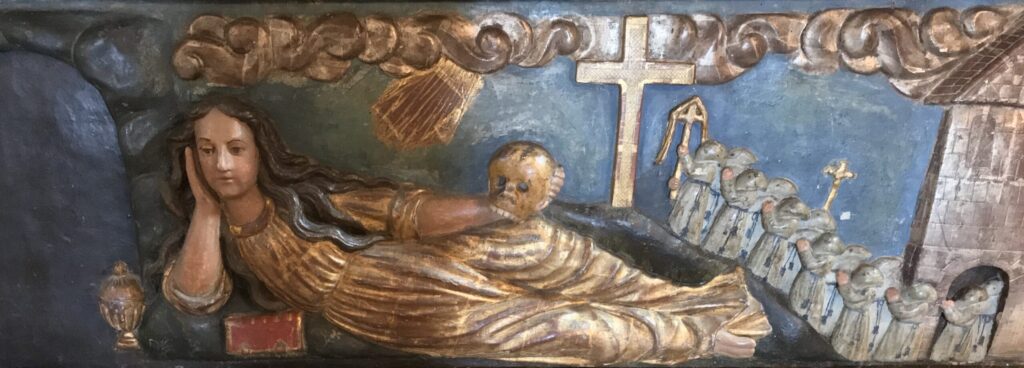
The significance of Doctor of History Thierry Murcia’s research lies not merely in proposing an alternative hypothesis, but in demonstrating how the earliest textual traditions may preserve a considerably different historical memory from that found in later medieval devotion. Rather than beginning with inherited assumptions, his work returns to the earliest surviving evidence and examines every relevant source within its linguistic, historical and literary context.
Pope Gregory the Great & the Feast Day of Saint Mary Magdalene
This approach is particularly significant because many traditional identifications concerning Mary Magdalene developed gradually over centuries. During the early Middle Ages, Western Christianity increasingly associated Mary Magdalene with the unnamed sinful woman who anoints Christ’s feet in Luke 7, together with Mary of Bethany, sister of Martha and Lazarus. This conflation became firmly established following the influential homilies of Pope Gregory the Great in the sixth century and profoundly shaped Western devotion thereafter.
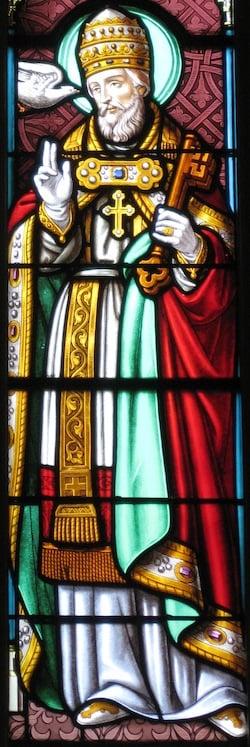
The influence of Pope Gregory the Great upon the Western understanding of Saint Mary Magdalene cannot be overstated. In his thirty-third Homily on the Gospels, preached towards the end of the sixth century, Gregory identified Mary Magdalene with the unnamed sinful woman of Luke 7 and with Mary of Bethany, the sister of Martha and Lazarus. This interpretation profoundly shaped medieval Western Christianity, influencing theology, liturgy, preaching, sacred art and popular devotion for nearly a millennium.
Although the Eastern Churches generally preserved these women as distinct individuals, Gregory’s synthesis became the dominant tradition throughout Latin Christendom. Modern historical scholarship, including the work of Doctor of History Thierry Murcia, has encouraged a renewed examination of the earliest Gospel traditions, inviting historians to distinguish between Gregory’s influential theological interpretation and the historical evidence preserved within the earliest Christian sources.
Gregory the Great’s interpretation of Mary Magdalene should also be understood within the wider historical circumstances of the late sixth century. Whereas Saint Augustine had earlier employed Mary Magdalene as an image of the Church that struggled to perceive fully the divinity of the risen Christ, Gregory presented her above all as the model of conversion. In his preaching, she became the symbol of the Church transformed by divine grace, illustrating the power of repentance and reconciliation rather than spiritual misunderstanding.
This emphasis reflected more than theological reflection alone. Gregory’s pontificate coincided with the Lombard invasions of Italy, a period marked by conflict, instability and the gradual conversion of the Lombards to Christianity. His vision was of a Church capable of uniting former enemies through faith, creating a renewed Christian society centred upon Rome. Within this historical context, Mary Magdalene became a powerful allegory of conversion and unity, embodying Gregory’s hope that those once regarded as outsiders might, through the grace of Christ, become fully incorporated into the life of the Church. Understanding this historical setting helps explain why Gregory’s interpretation exercised such a profound influence upon medieval Western Christianity, even as modern historical scholarship distinguishes his pastoral and theological reading from the earliest Gospel traditions.
Mary of Magdala: Reconsidering an Ancient Identity
According to Doctor of History Thierry Murcia, the expression “Mary of Magdala” deserves to be understood within its earliest historical and literary context rather than through the assumptions of later tradition. In his peer-reviewed monograph Marie appelée la Magdaléenne – Entre Traditions et Histoire : Ier–VIIIe siècle, he argues that the designation “the Magdalene” was not originally intended to identify a woman simply by her geographical place of origin. Through a comprehensive examination of the Greek, Hebrew, Latin and Aramaic sources, together with the earliest patristic and rabbinic traditions, Doctor of History Thierry Murcia contends that the figure known as Mary Magdalene preserves an ancient historical memory which later centuries gradually obscured through the development of divergent traditions.
One of the most remarkable aspects of Doctor of History Thierry Murcia’s research is its refusal to isolate individual biblical passages from the wider literary and historical tradition. Instead, each source is examined alongside parallel texts, linguistic evidence and the testimony of the earliest Christian writers. This historical methodology allows long-established assumptions to be tested against the earliest available evidence rather than accepted simply because they became dominant within later Western Christianity. His work therefore represents not merely a reinterpretation of a single Gospel passage but a comprehensive historical investigation extending from the first to the eighth century, tracing how Christian memory concerning Mary gradually evolved across diverse communities and traditions.
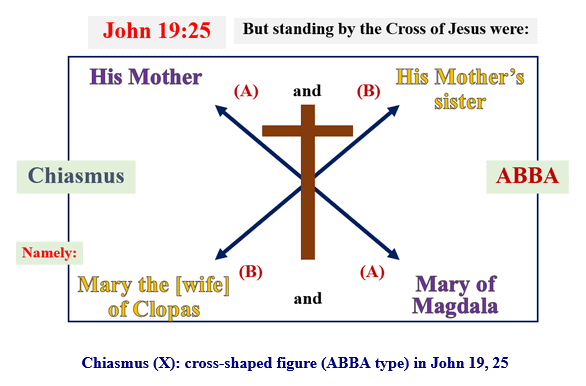
Doctor of History Thierry Murcia’s study stands as one of the most extensive modern historical investigations devoted to the question of Mary Magdalene’s identity. By returning continually to the earliest recoverable sources and allowing philology, textual criticism and historical analysis to guide his conclusions, he invites both scholars and the wider Church to reconsider an ancient tradition with fresh historical eyes. In doing so, his work exemplifies the enduring importance of rigorous historical scholarship in illuminating the origins of Christian belief and preserving the richness and complexity of the earliest Christian witness.
Apostle to the Apostles: the Eastern Tradition
The Eastern Churches, however, generally maintained a distinction between these women, preserving separate commemorations and traditions for Mary Magdalene, Mary of Bethany and the anonymous sinful woman. This diversity within early Christian tradition demonstrates that the identity of Mary Magdalene was never understood uniformly throughout Christendom.
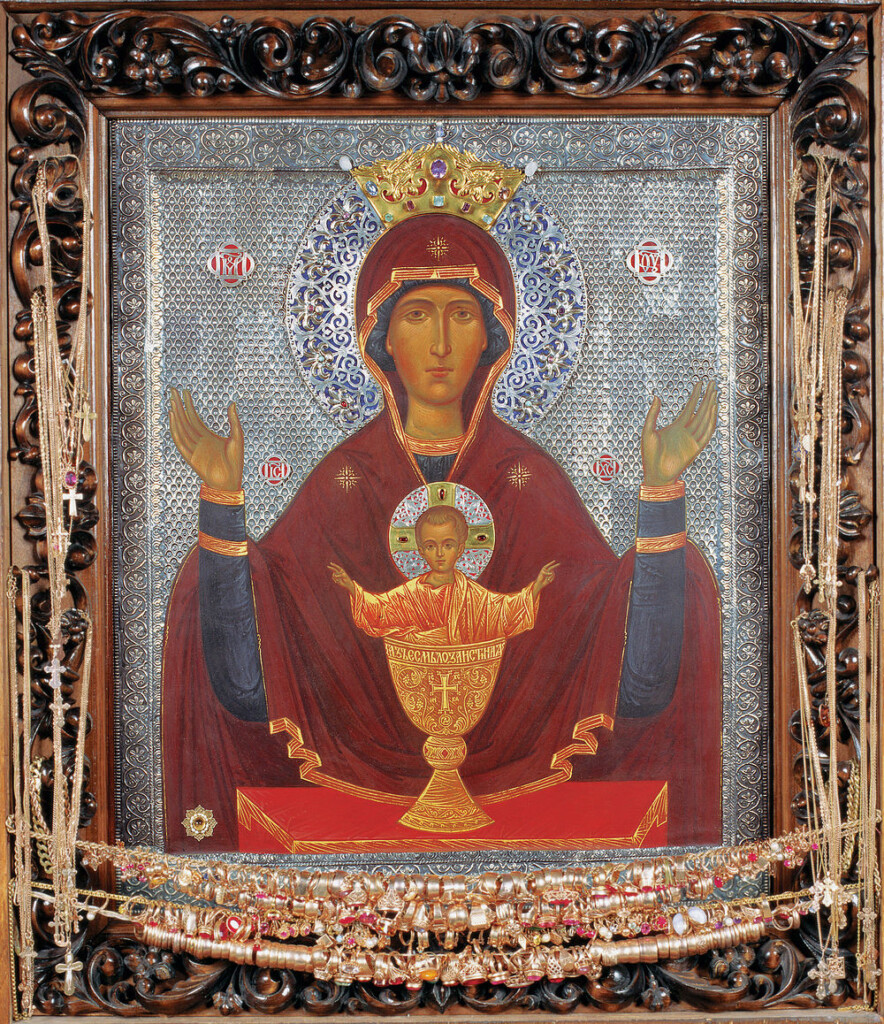
Doctor of History Thierry Murcia’s work therefore invites readers to reconsider the earliest Christian evidence independently of later devotional developments. His meticulous engagement with the primary sources has made an important contribution to the continuing historical study of early Christianity.
Thierry Murcia’s historical reconstruction both compelling and persuasive. His careful philological analysis of the earliest sources offers the most coherent explanation of traditions that have often appeared contradictory when viewed solely through the lens of later medieval interpretation. Rather than treating inherited assumptions as historical certainties, his methodology seeks to recover the earliest recoverable traditions preserved within the textual record itself.
One particularly striking aspect of his research concerns the literary structure of the Gospel of John. Doctor of History Thierry Murcia argues that the Evangelist intentionally employs carefully constructed chiastic patterns that reveal deeper narrative relationships often overlooked by modern readers. Within this literary framework, the identification of Mary Magdalene acquires significance that extends far beyond later devotional tradition, becoming an integral element within John’s theological and literary composition.
Such observations illustrate the importance of reading the biblical texts not only historically but also literarily. Ancient authors frequently employed sophisticated rhetorical structures whose significance can easily be obscured by later editorial traditions or modern methods of reading. Murcia’s work demonstrates how philology, literary criticism and historical analysis may be combined to illuminate these ancient compositions afresh.
This renewed examination of the sources has also encouraged historians to revisit the origins of many medieval traditions associated with Mary Magdalene.
Pilgrimage centres, relic cults and regional legends often preserve layers of historical development extending over many centuries. Distinguishing the earliest traditions from later devotional elaboration therefore remains one of the principal challenges facing modern historical research.
The medieval cult of Saint Mary Magdalene became one of the most widespread expressions of Christian devotion throughout Western Europe. Churches, monasteries and pilgrimage centres dedicated to her flourished from the eleventh century onwards, particularly in France, where local traditions associated her with Provence and the evangelisation of Gaul. Among the most famous centres were the great basilicas of Vézelay and Saint-Maximin-la-Sainte-Baume, each preserving different traditions concerning her life and relics.
Saint John Paul II and the Dignity of Patron Saint Mary Magdalene
The modern liturgical recognition of Saint Mary Magdalene received renewed emphasis during the pontificates of Saint John Paul II and Pope Francis. Saint John Paul II frequently reflected upon the indispensable role of women within the history of salvation, emphasising that the Gospels present Mary Magdalene as one of Christ’s most faithful disciples and the first witness to the Resurrection. In his apostolic letter Mulieris Dignitatem (1988), he highlighted the unique dignity and vocation of women within the Church, drawing particular attention to those women who remained faithful to Christ throughout His Passion and Resurrection. Mary Magdalene consequently stands as a powerful witness to the transformative encounter with the risen Lord and to the apostolic mission entrusted to the first Christian disciples.
In recognising the enduring significance of Mary Magdalene, Saint John Paul II encouraged the faithful to return continually to the Gospel narratives themselves, where her privileged place among Christ’s followers is unmistakably affirmed. Whatever conclusions historians may reach concerning her historical identity, the evangelical witness to her fidelity at the Crucifixion, her presence at the empty tomb and her encounter with the risen Christ remains central to Christian tradition. Her example continues to inspire believers to seek Christ with perseverance, to proclaim the hope of the Resurrection, and to bear faithful witness to the Gospel in every generation.
Feast of Saint Mary Magdalene & Vezelay
The Abbey of Vézelay became one of medieval Europe’s greatest pilgrimage destinations, drawing countless pilgrims travelling towards Santiago de Compostela. Its magnificent Romanesque basilica remains one of the masterpieces of medieval Christian architecture. By contrast, the Basilica of Saint-Maximin-la-Sainte-Baume, whose tradition became especially prominent from the thirteenth century onwards, preserves relics venerated as those of Mary Magdalene and continues to attract pilgrims from around the world.
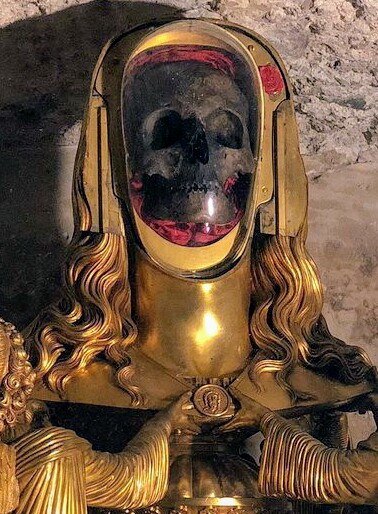
The prominence of Vézelay reflects the profound influence that devotion to Saint Mary Magdalene exercised upon medieval Christianity. From the eleventh century onwards, the abbey became not only a destination for pilgrims but also a centre of preaching, monastic reform and spiritual renewal. Its association with Mary Magdalene inspired generations of the faithful to contemplate the themes traditionally connected with her life: repentance, discipleship, fidelity to Christ and the hope of the Resurrection. Whether or not every local tradition can be historically verified, Vézelay remains an enduring testimony to the place Mary Magdalene occupied within the religious imagination of medieval Europe.
Today, both Vézelay and Saint-Maximin-la-Sainte-Baume continue to bear witness to the lasting legacy of this devotion. Their churches, relics, liturgical celebrations and centuries of pilgrimage illustrate how Christian memory has been shaped not only by the biblical texts but also by the devotional traditions that developed across successive generations. The work of modern historians, including Doctor of History Thierry Murcia, invites us to distinguish carefully between these later expressions of piety and the earliest recoverable historical traditions, while recognising that both have contributed significantly to the enduring veneration of Saint Mary Magdalene throughout the Christian world.
The Cathars and the Cult of Mary Magdalene
The widespread veneration of Saint Mary Magdalene throughout medieval France has frequently led to speculation concerning her place within the communities traditionally known as the Cathars. Modern popular literature has often suggested that the Cathars possessed a unique devotion to Mary Magdalene or regarded her as a central figure within their theology. Yet the surviving historical evidence paints a very different picture.
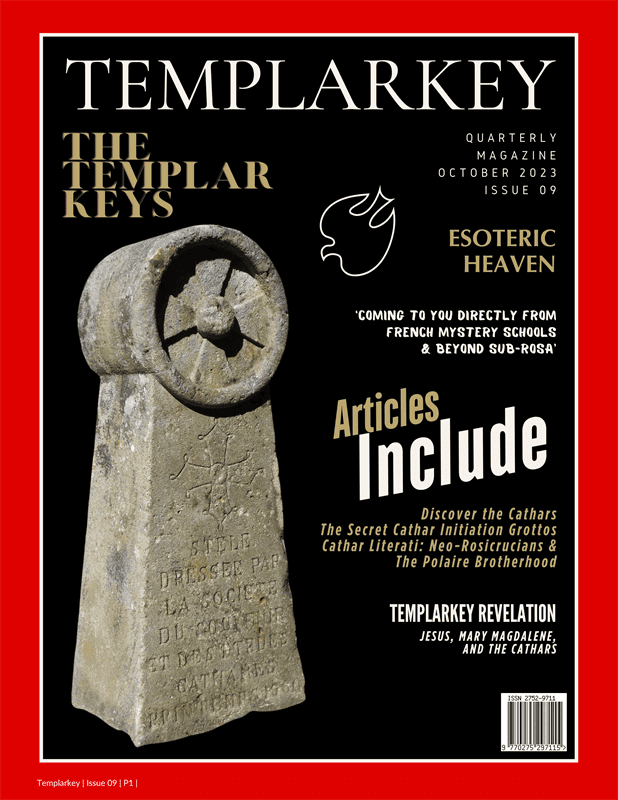
The Cathars inherited a theological outlook in which all material generation belonged to the visible creation, understood as the work of the inferior creator rather than the supreme God. Salvation therefore consisted in liberation from the cycle of material existence through the reception of the Consolamentum and the pursuit of the apostolic life.
Within such a theological framework, the veneration of saints—as practised within medieval Catholic Christianity—had no place. The surviving inquisitorial records, Cathar rituals and polemical writings contain no evidence of a cult of Mary Magdalene comparable to that found in the contemporary Roman Church. Likewise, they rejected the cult of relics, the invocation of saints, pilgrimages to shrines and the devotional practices that characterised medieval Catholic piety.
For this reason, the immense popularity of Mary Magdalene within medieval Provence and Burgundy should not automatically be associated with Cathar belief. Great pilgrimage centres such as Vézelay and Saint-Maximin-la-Sainte-Baume belonged firmly to the devotional life of the medieval Latin Church rather than to the religious communities traditionally known as the Cathars.
If, however, Doctor of History Thierry Murcia’s historical reconstruction were accepted—that Mary Magdalene and Mary the mother of Jesus were originally understood to be the same historical person—this would constitute an important question for historians of early Christianity. Such a conclusion would concern the historical identity of a figure within the earliest Christian tradition, not evidence that the Cathars themselves maintained a particular devotion to her.
The distinction is essential. Historical investigation into the identity of Mary Magdalene should not be confused with the devotional practices of medieval religious communities. The available evidence indicates that the Cathars neither promoted a cult of Mary Magdalene nor participated in the forms of saintly veneration that were central to medieval Catholicism.
Doctor of History Thierry Murcia’s historical research encourages us to distinguish carefully between these rich devotional traditions and the earliest historical evidence. Medieval pilgrimage, sacred legend and local memory remain profoundly important for understanding the development of Christian spirituality, even when they cannot necessarily be traced back to the first Christian generations. The historian’s task is not to diminish these traditions but to examine their historical development through the surviving documentary evidence.
The remarkable endurance of devotion to Mary Magdalene demonstrates the central place she has occupied within Christian imagination for nearly two millennia. Whether portrayed as the repentant sinner, contemplative disciple, apostle to the apostles or missionary to Gaul, successive generations have found in her an enduring symbol of conversion, fidelity and witness to the risen Christ.
This historical development also provides an important context for understanding later religious movements in medieval Europe. Communities traditionally known as the Cathars lived within regions where devotion to Mary Magdalene had become deeply embedded in local religious culture. Although modern scholarship rightly distinguishes between historical evidence and later speculation, the prominence of Mary Magdalene within southern France formed part of the broader religious landscape inherited by these communities.
According to interpretations preserved within the communities traditionally known as the Cathars, the figure of Mary Magdalene could also be understood allegorically rather than simply as an historical individual. In this reading, the sinful woman symbolised the contemporary Roman Church, which, although professing to be the Bride of Christ, had become corrupted through its attachment to worldly power, wealth and violence. The call to repentance was therefore directed not merely towards an individual sinner but towards the institutional Church itself.
This allegorical interpretation formed part of the Cathars’ wider critique of medieval Latin Christianity. Just as the Church was described in Scripture as the Bride of Christ, so the Cathars maintained that the Roman Church had become an unfaithful spouse by departing from the apostolic ideal of poverty, purity and spiritual devotion. Mary Magdalene’s conversion thus served as a powerful image of the transformation that they believed the Church itself must undergo: a return from corruption and earthly ambition to the simplicity and holiness of the apostolic faith.
Church of Mary Magdalene / Sainte-Madeleine: the massacre at Béziers on her feast day 22 July
Within another church dedicated to Saint Mary Magdalene, the massacre at Béziers took place on 22 July 1209, on the feast day of Saint Mary Magdalene. Although there is no firm evidence that the attack was deliberately planned for this liturgical date, the coincidence is profound: her commemoration on 22 July was already established within the medieval Christian calendar, and the city appears to have fallen as the result of the crusading army’s military advance rather than a calculated symbolic choice. This coincidence acquired a profound and tragic resonance.
On a day dedicated to the woman traditionally associated in the Western Church with repentance, forgiveness and conversion, the inhabitants of Béziers—Catholics and those accused of heresy alike—were subjected to indiscriminate violence. The contrast between the spiritual meaning of the feast and the bloodshed committed during the Albigensian Crusade is especially striking, and later memory has inevitably connected Mary Magdalene’s day with one of the darkest events in the religious history of southern France.
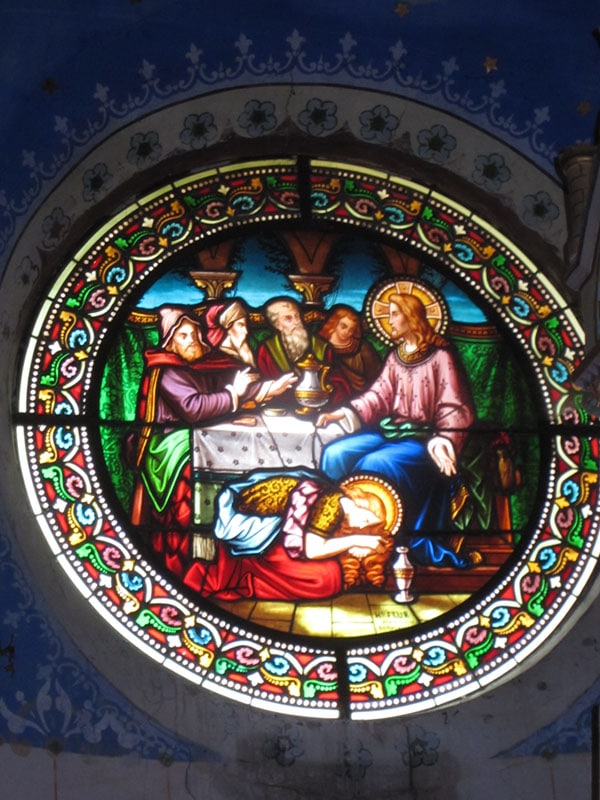
Rennes-le-Château & the Foot of the Cross
Likewise, places such as Rennes-le-Château and its memorial of Saint Mary Magdalene have generated extensive modern speculation linking Mary Magdalene with hidden histories, secret societies and esoteric traditions. Much of this literature rests upon nineteenth and twentieth-century inventions rather than medieval evidence. Serious historical investigation requires that documentary sources, archaeology and textual criticism remain primary, rather than later popular mythology. In this respect, the careful historical methodology exemplified by Doctor of History Thierry Murcia provides an important model for separating historical evidence from imaginative reconstruction.
The continuing scholarly discussion surrounding Mary Magdalene illustrates the dynamic nature of historical research. New questions, improved philological analysis and renewed attention to the earliest sources continue to refine our understanding of Christian origins. Historical investigation is not a rejection of tradition but an attempt to understand how traditions emerged, developed and were transmitted across successive generations.
According to Doctor of History Thierry Murcia, the earliest recoverable tradition preserved within the surviving sources identifies Mary Magdalene with Mary the mother of Jesus. Whether historians ultimately accept or reject every aspect of this reconstruction, his work demonstrates the importance of returning continually to the primary evidence and allowing the earliest texts to speak within their own historical and linguistic context.
The Feast of Saint Mary Magdalene therefore offers an opportunity not only to honour one of Christianity’s most beloved figures but also to reflect upon the relationship between history, tradition and faith. Historical scholarship reminds us that Christian memory has developed over centuries, often preserving multiple voices and diverse traditions. By examining these traditions critically and respectfully, we gain a richer appreciation of both the historical complexity of early Christianity and the enduring power of its witness.
For those wishing to explore this subject further, the work of Doctor of History Thierry Murcia represents one of the most comprehensive modern historical studies devoted to the question; his careful engagement with the earliest textual evidence invites a renewed consideration of one of Christianity’s oldest and most fascinating traditions.
References:
Primary Sources
The Holy Bible, especially the Gospels of Matthew, Mark, Luke and John.
Homilies on the Gospels, Homily 33.
Works by Doctor of History Thierry Murcia
Murcia, T. (2017). Marie appelée la Magdaléenne – Entre Traditions et Histoire : Ier–VIIIe siècle. Aix-en-Provence: Presses Universitaires de Provence.
Murcia, T. (2014). Jésus dans le Talmud et la littérature rabbinique ancienne. Turnhout: Brepols.
Murcia, T. “Mary Magdalene”, in the Routledge Companion to Early Christian Thought.
Scholarly Reviews & :
Review of Marie appelée la Magdaléenne – Entre Traditions et Histoire : Ier–VIIIe siècle in the Revue historique.
Review by Joan Taylor, in the Journal of Theological Studies.
HAL AMU: Thierry Murcia. Mary Magdalene: The Unsuspected Truth, or Why Mary Magdalene Could Not Have Been Jesus’ Wife – Interview by Nicolas Koberich. 2017.
Further Reading:
The Other God. The Other God: Dualist Religions from Antiquity to the Cathar Heresy. Yale University Press, 2000.
The Hidden Tradition in Europe: The Secret History of Medieval Christian Heresy. Arkana, 1994.
Templarkey Magazine:
Issue 9 – Cathar Special Edition. Presents an extended historical study of medieval dissident Christianity, incorporating historical research, primary sources, and new analyses that go beyond themes explored in the works of Yuri Stoyanov.
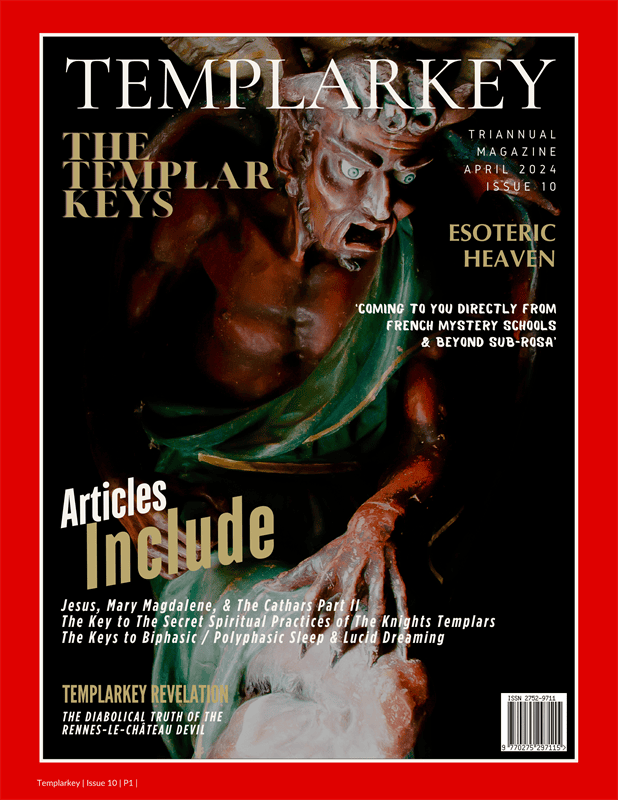
Issue 10 – Rennes-Le-Château & Cathar Special Edition. Continues this research with further examination of Cathar history, philosophy, theology and medieval sources, offering additional historical analysis beyond the scope of Stoyanov’s publications.